Vegan and Gluten-Free Dining in Istanbul: 8 Places, 6 Questions
Find plant-forward food from olive-oil dishes to modern kitchens without confusing a gluten-free option with celiac-safe preparation.

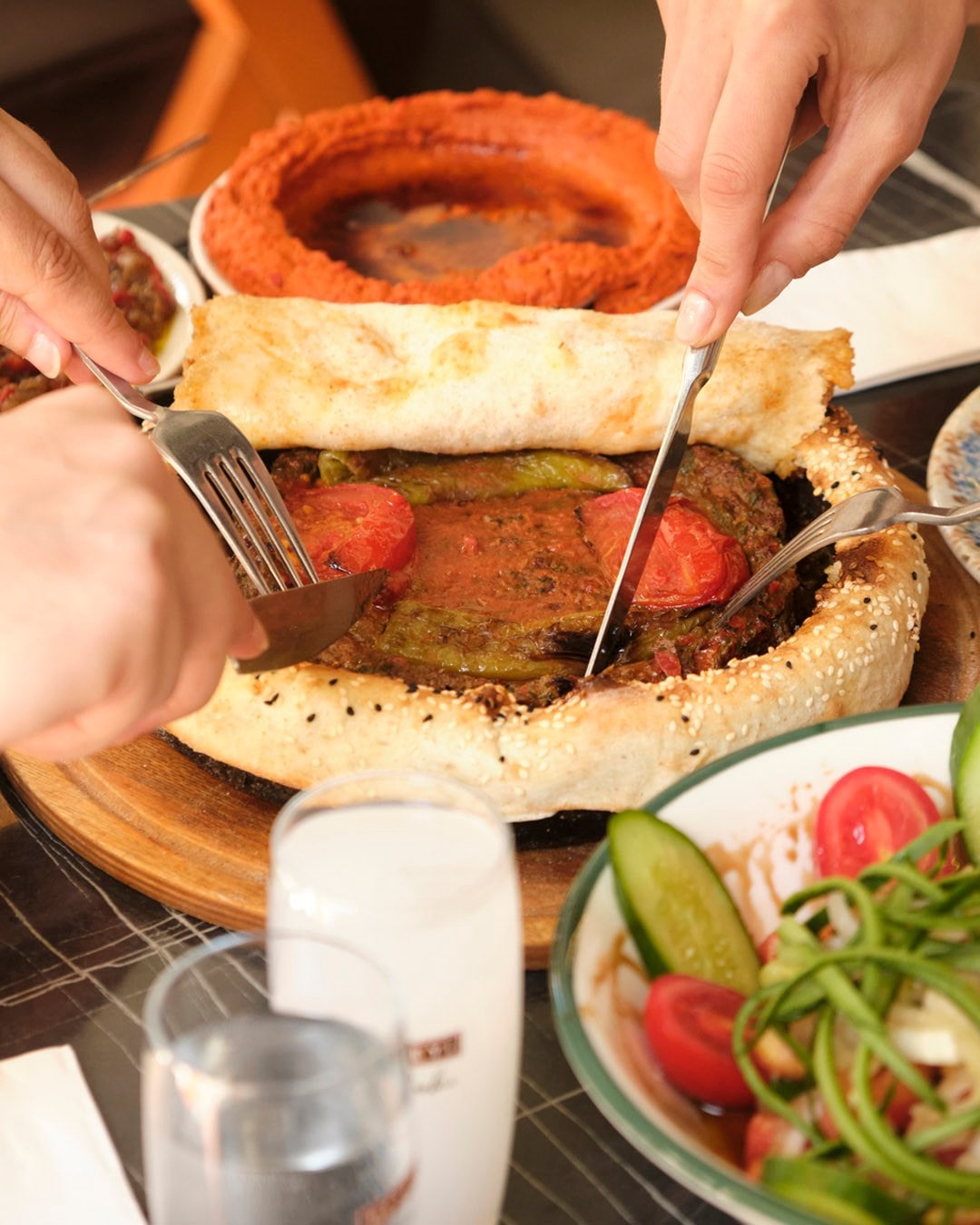
Istanbul is rich in naturally plant-led food: olive-oil dishes, pulses, dolma, sarma and seasonal vegetables are part of the city's table. Yet 'vegan option' is not a fully vegan kitchen, and a gluten-free ingredient is not automatically celiac-safe preparation. We present eight addresses with that distinction visible. For celiac disease or a serious allergy, written confirmation from the restaurant and professional medical advice remain essential.
Do not stop at the menu icon
For a vegan-marked dish, ask about honey, dairy, eggs and animal stock. A gluten-free symbol may not address sauce, crumbs, soy sauce or flour in the fryer. If cross-contact matters, discuss shared boards, pans, fryers and ovens clearly. When the restaurant is uncertain, do not minimize the risk.
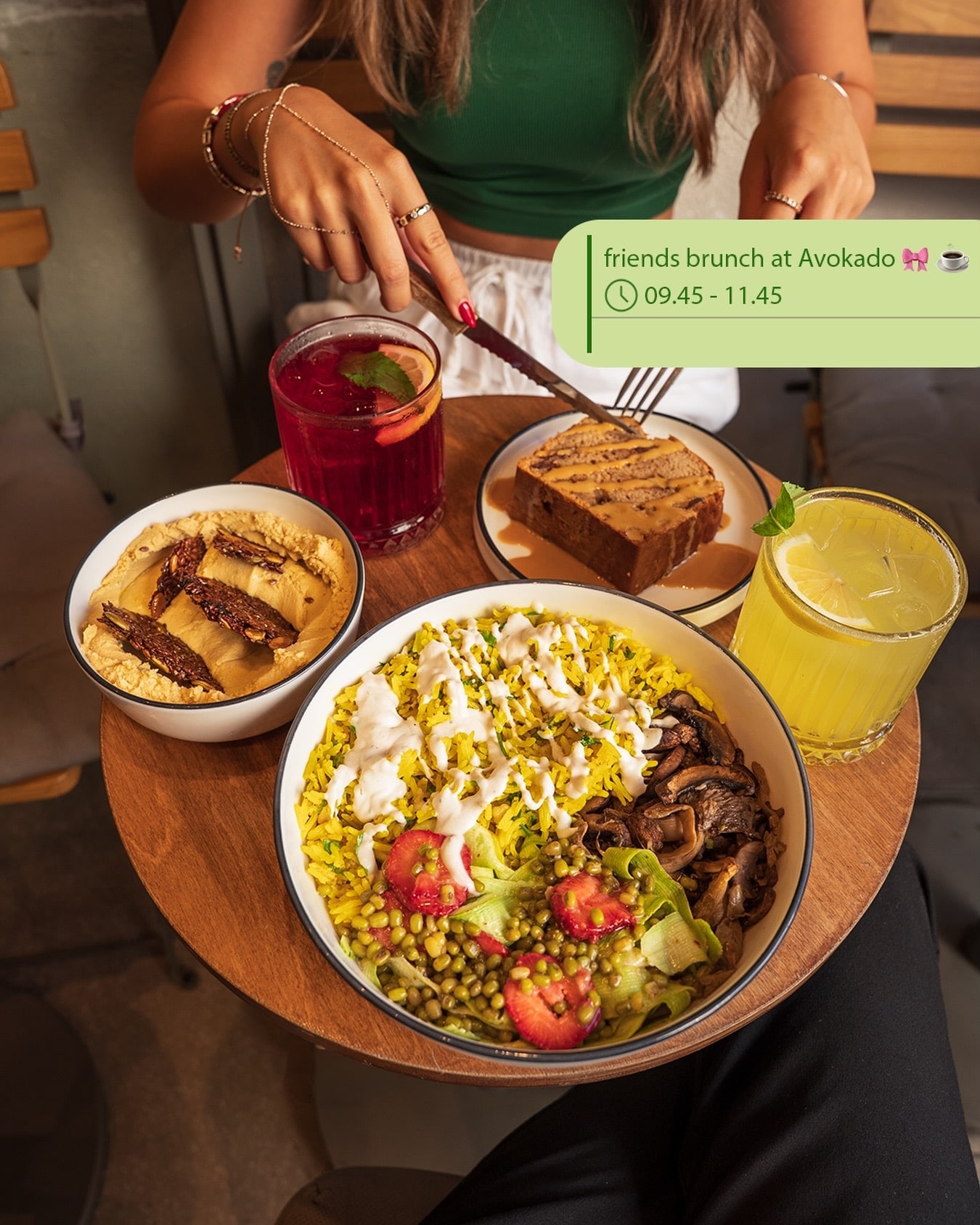
Avokado Bar
TeşvikiyeDiscuss vegan ingredients and gluten cross-contact directly with the kitchen.

Raw’n More
SuadiyeDiscuss vegan ingredients and gluten cross-contact directly with the kitchen.
Six useful questions
Ask briefly and clearly before ordering.
Does the dish contain dairy, eggs, honey or animal stock?
Do sauces or marinades use wheat or regular soy sauce?
Is the fryer shared with flour-coated food?
Are bread and pizza baked in the same oven?
Can separate tools and preparation space be used?
Can the server send the note to the kitchen in writing?
Casius Antioch Kitchen
CihangirDiscuss vegan ingredients and gluten cross-contact directly with the kitchen.
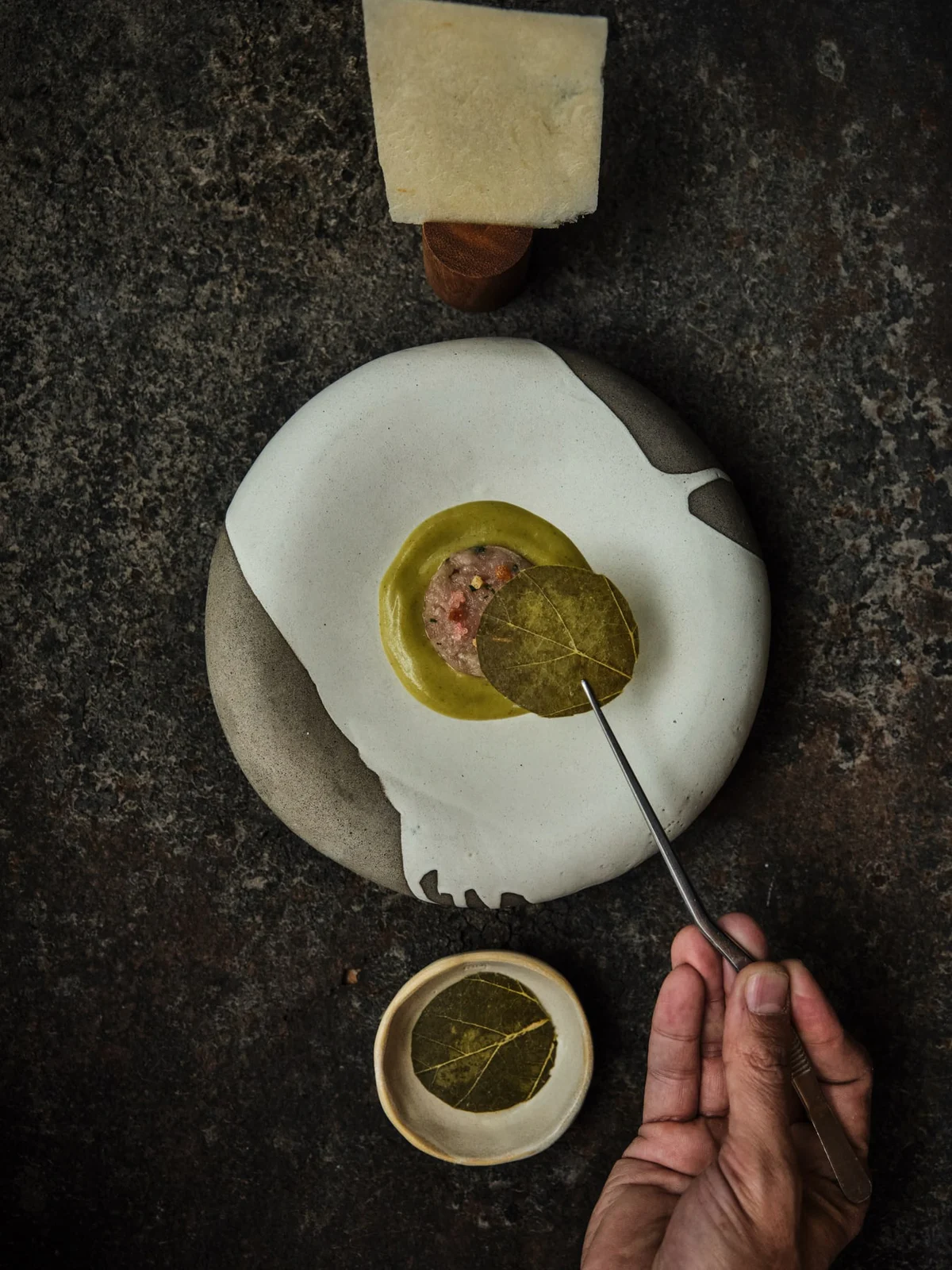
Neolokal
KaraköyDiscuss vegan ingredients and gluten cross-contact directly with the kitchen.
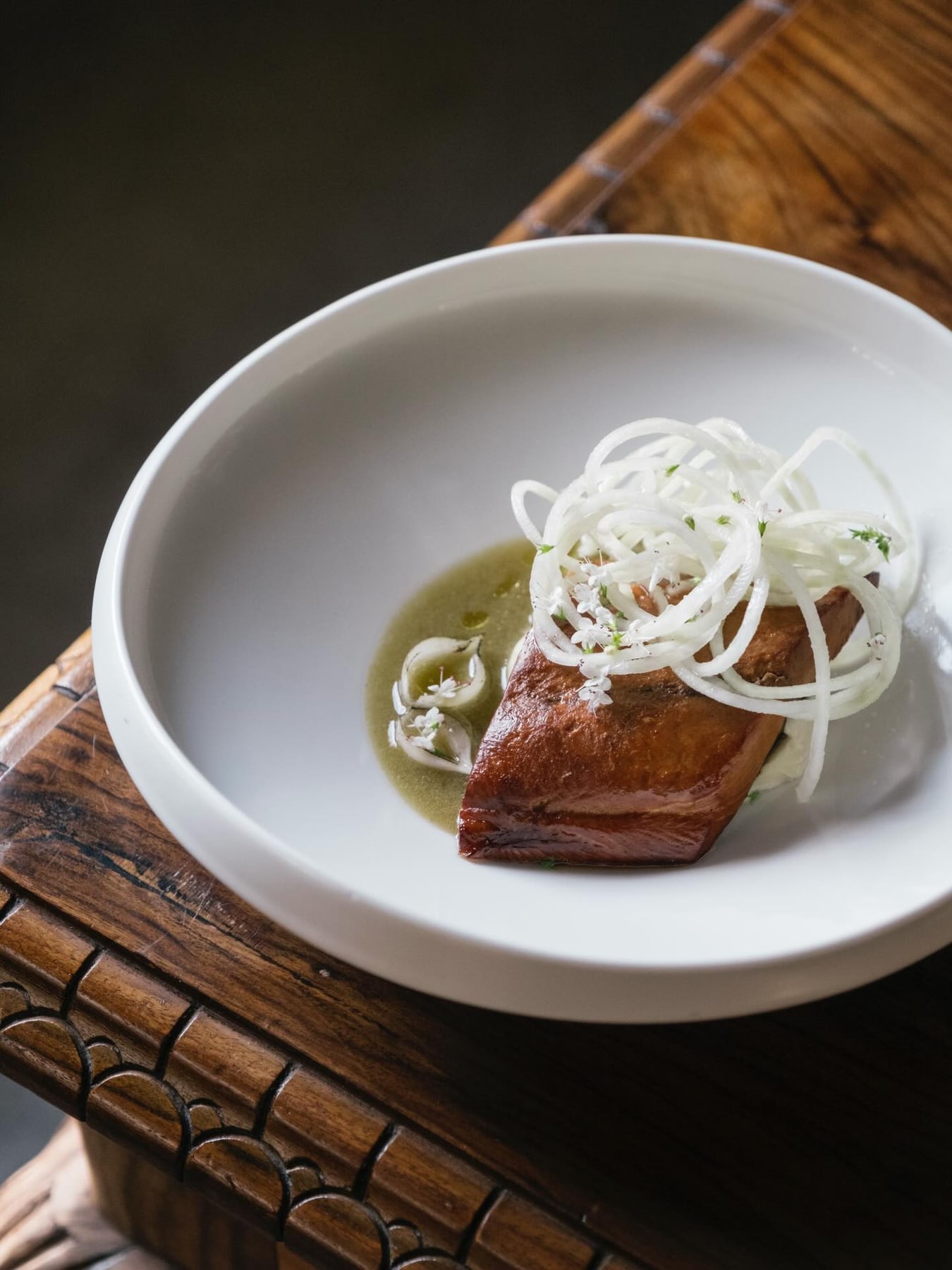
Araka
YeniköyDiscuss vegan ingredients and gluten cross-contact directly with the kitchen.
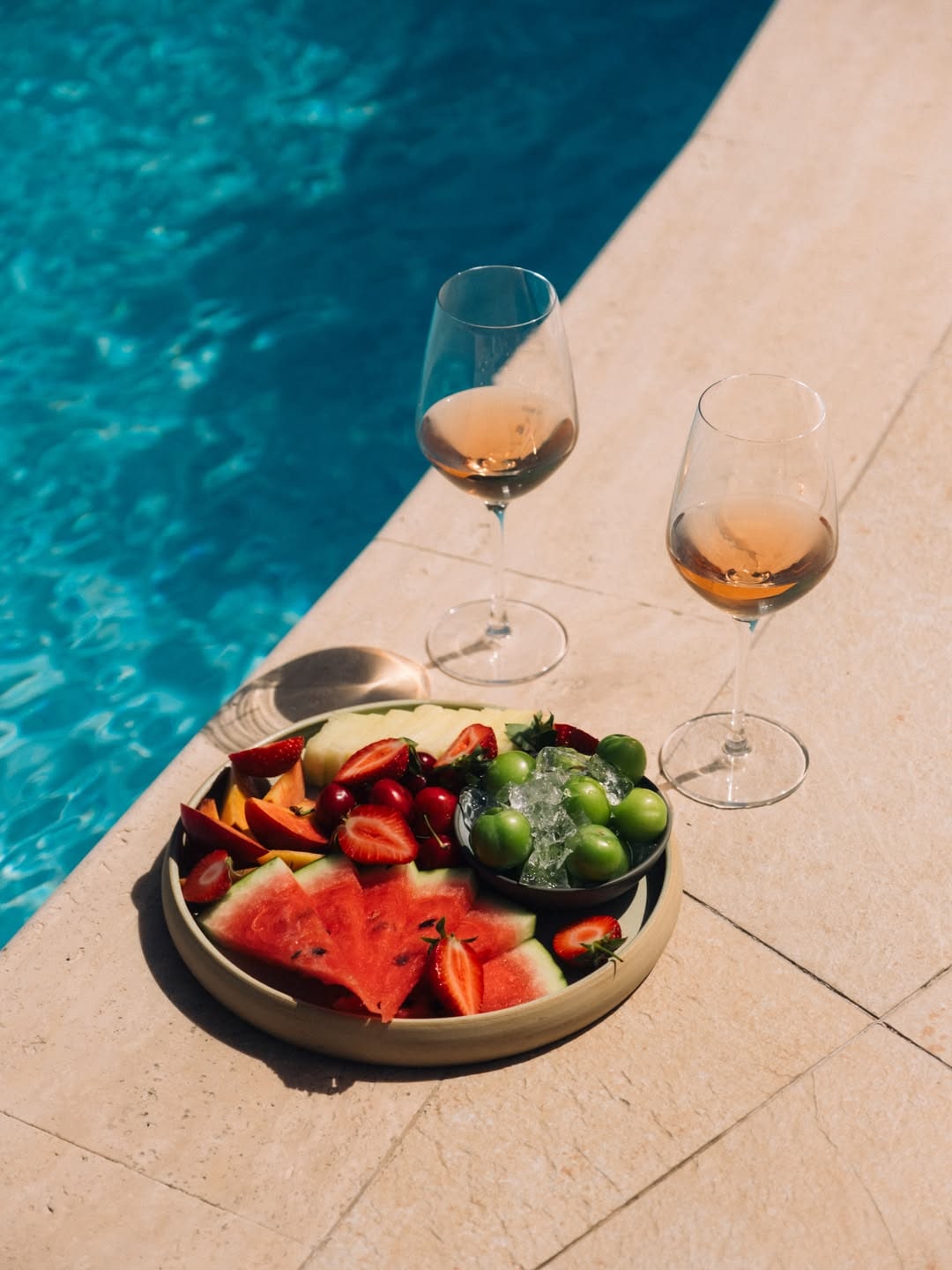
Casa Lavanda
UlupelitDiscuss vegan ingredients and gluten cross-contact directly with the kitchen.
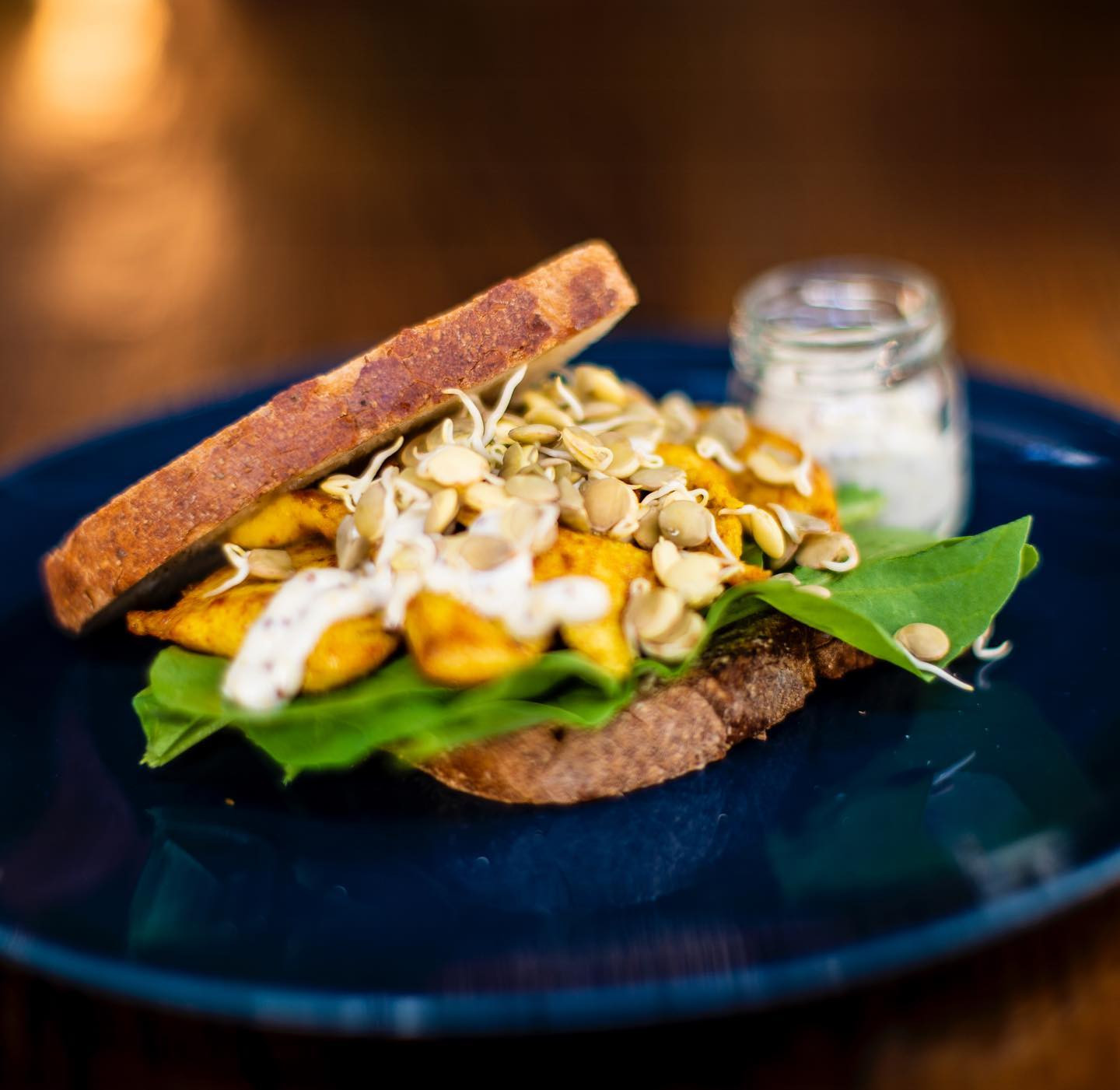
Journey Cihangir
CihangirDiscuss vegan ingredients and gluten cross-contact directly with the kitchen.
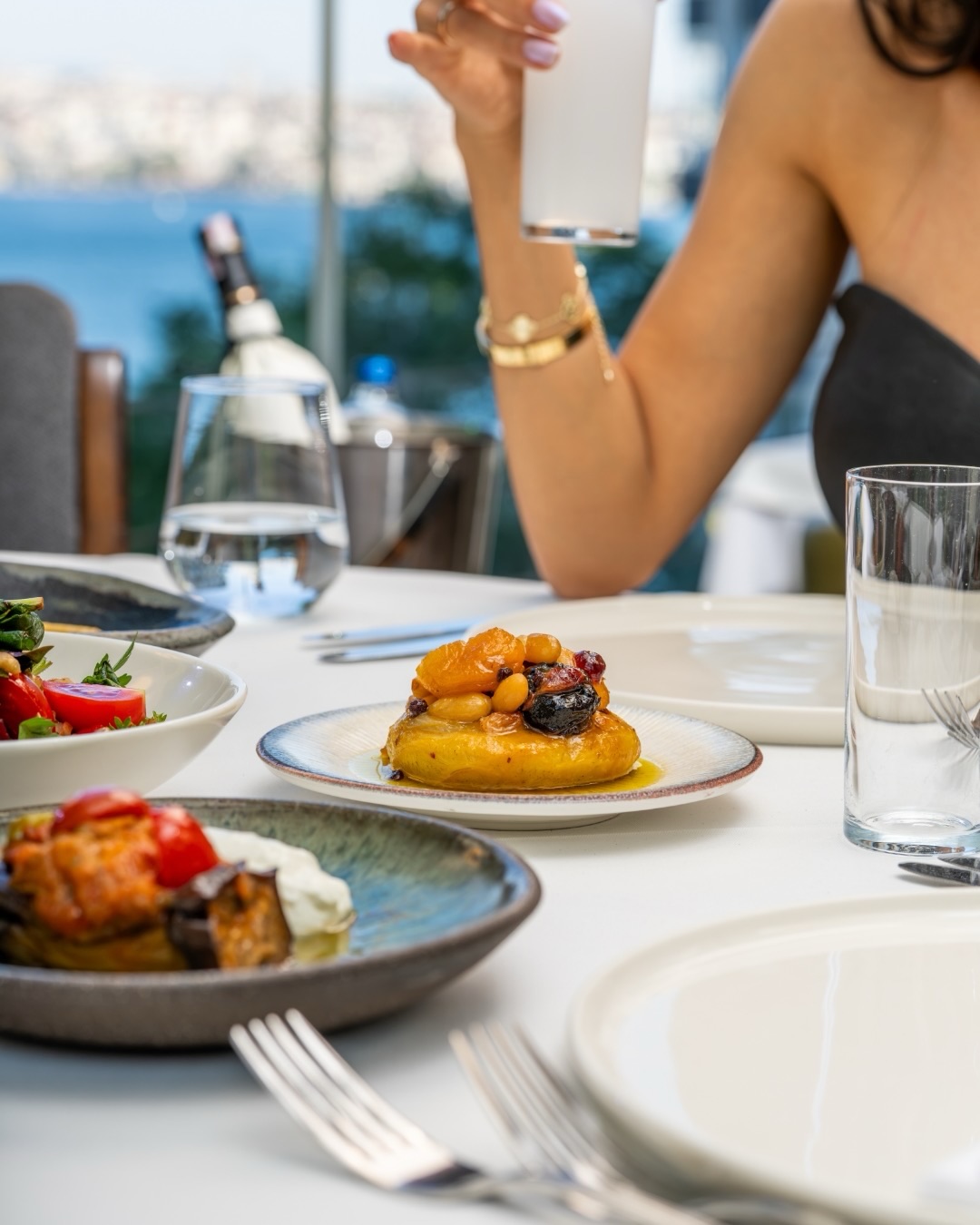
Tere
GümüşsuyuDiscuss vegan ingredients and gluten cross-contact directly with the kitchen.
Which Turkish dishes may be vegan?
Olive-oil dolma and sarma, pulses, some vegetable stews, hummus, ezme and salads may work, but yogurt, butter, meat stock and eggs are common. Mücver often contains egg or cheese. Ask by restaurant, because the same dish name can be prepared differently in different kitchens.