Istanbul Coffee Guide: From Turkish Coffee to Third Wave
Experience the traditional cup ritual and modern roasting-and-brewing culture in the same city without treating them as rivals.

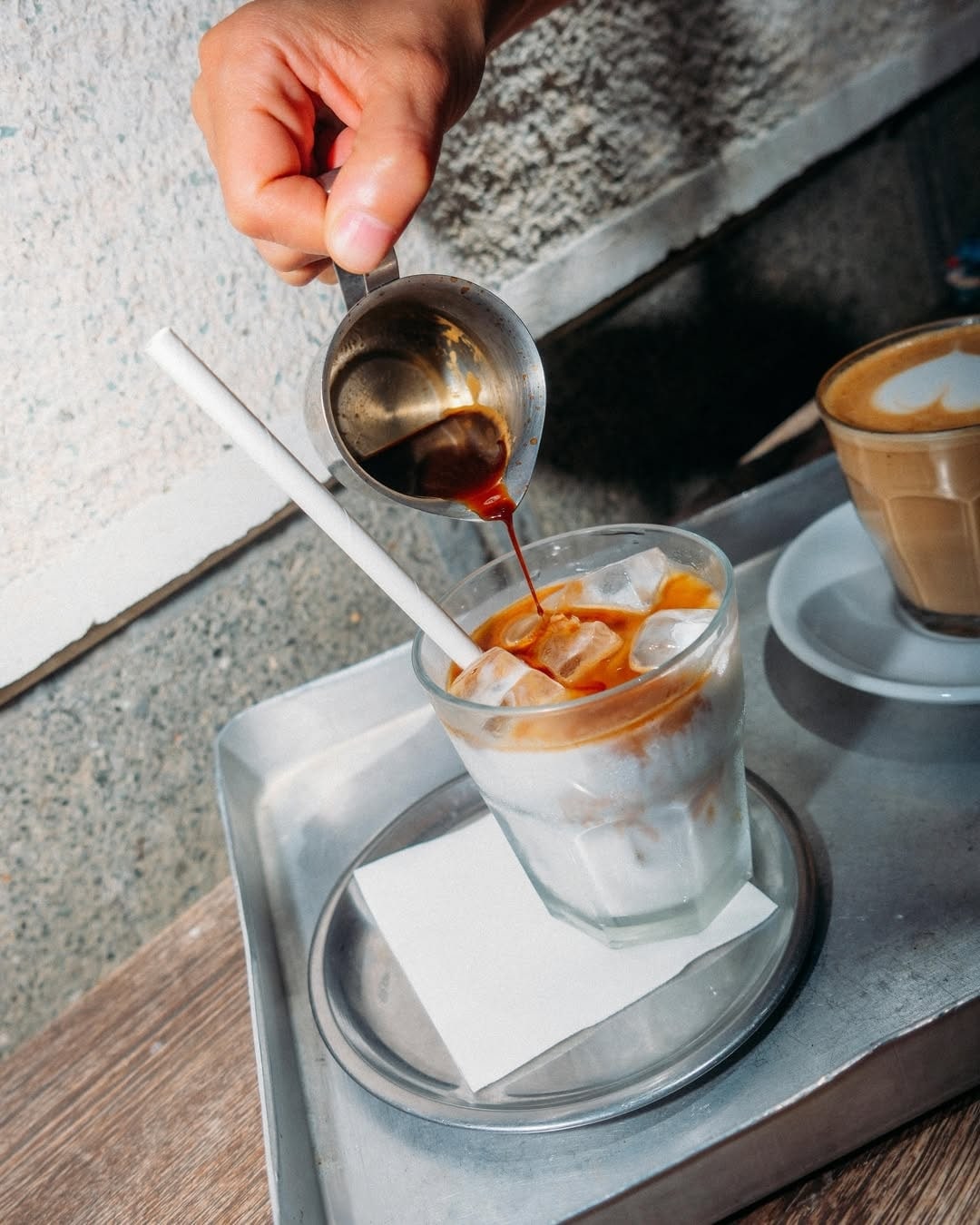
Istanbul coffee culture is not one brewing method. Turkish coffee is a deep ritual of hospitality and conversation, while specialty cafés focus on origin, roasting and precise brewing. They belong to different moments rather than opposing camps.
How to order Turkish coffee
Sugar is added during preparation, so state sade (none), az şekerli (little), orta (medium) or şekerli (sweet) when ordering. It arrives in a small cup with grounds; drink slowly after they settle and leave the final sediment behind.
Water cleans the palate and prepares it for coffee. Turkish delight is not compulsory everywhere. The experience is as much about preparation and conversation as foam.
What to look for in a specialty café
Judge consistency in the cup rather than décor alone.
Origin and roast date communicated
Clear distinction between espresso and filter options
Appropriate grind and water for the brew
Coffee-to-milk balance
A barista able to answer questions clearly
Petra Roasting Company Nişantaşı
TeşvikiyeFor a roaster-led coffee bar experience.
Build a neighborhood coffee day
Karaköy and Galata connect contemporary coffee to sightseeing; Nişantaşı combines shopping, bakeries and roasters; Kadıköy–Yeldeğirmeni pairs independent cafés with a long walk. Bomonti offers a more residential route.
Choose two focused stops instead of three or four large drinks. Turkish coffee at one and espresso or filter at another makes the comparison meaningful.

Kronotrop Nişantaşı
TeşvikiyeTo compare beans and brewing methods.
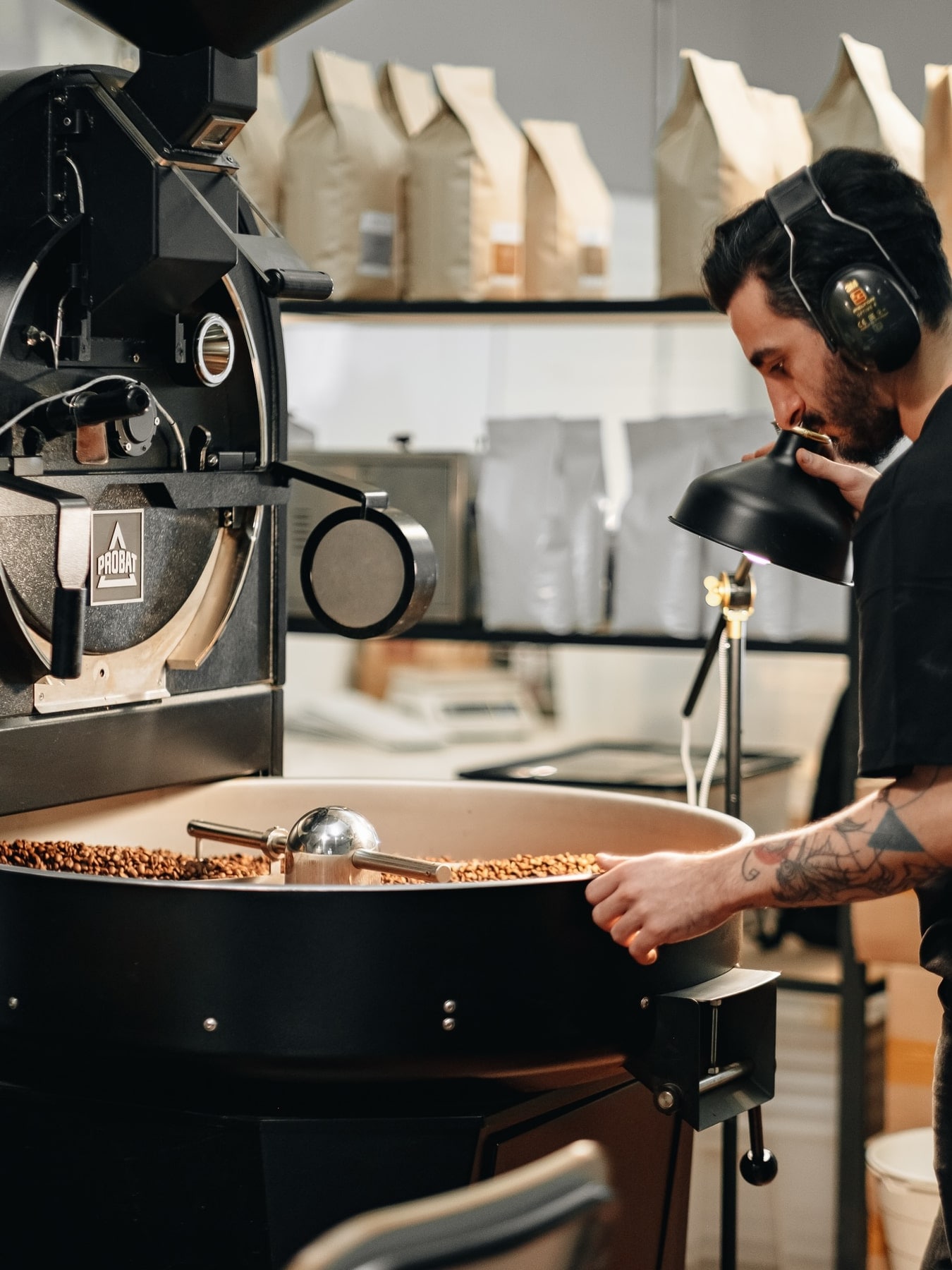
Montag Coffee Bomonti
BomontiTo add coffee to a more residential route.
Is Turkish coffee strong?
It tastes intense because of the small serving and unfiltered preparation. Caffeine experience depends on bean, dose and sensitivity; drink slowly rather than stacking many cups.